
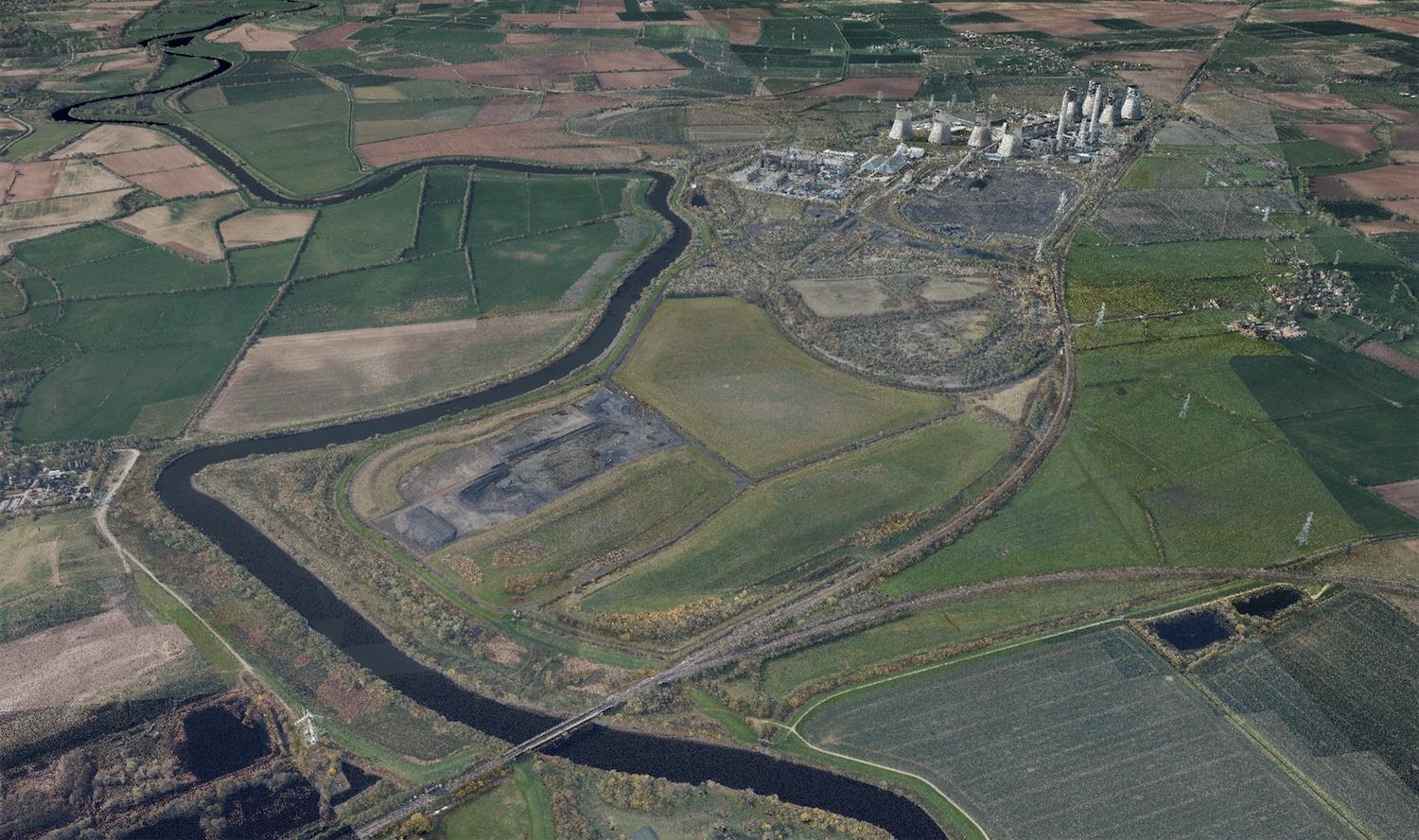
A Low-Carbon Powerhouse
Nuclear energy is often touted as a low-carbon energy source, primarily because it produces electricity without emitting the greenhouse gases associated with fossil fuels. The process involves nuclear fission, in which the nucleus of an atom is split, releasing a tremendous amount of energy. Unlike coal, oil, and natural gas, nuclear power plants do not release carbon dioxide (CO2) into the atmosphere during electricity generation. Lifecycle emissions from construction, fuel supply and decommissioning must also be included in comparisons. This makes nuclear energy a valuable contributor to reducing carbon emissions and mitigating climate change.
Reliable and Consistent Energy Supply
One of the key advantages of nuclear energy is its reliability and consistency. Nuclear power plants can operate continuously for extended periods, providing a stable source of electricity that does not depend directly on wind or daylight, although cooling constraints and outages must be considered. This feature is particularly important in addressing the intermittency issues associated with renewable energy sources like solar and wind, which depend on weather conditions and daylight.
Nuclear plants can achieve high capacity factors, although performance varies by fleet, maintenance and operating conditions. High availability enables nuclear plants to generate electricity for much of the year, helping to maintain a consistent energy supply for the grid. This reliability is crucial for balancing the energy mix and meeting the ever-increasing demand for electricity.
Decades of Proven Safety
Safety concerns are often raised when discussing nuclear energy, and it’s essential to acknowledge these concerns. However, it’s worth noting that modern nuclear power plants have an excellent safety record. Advances in reactor technology and rigorous safety measures have made nuclear power a far safer option today than it was in the past.
Furthermore, the nuclear industry continually learns from past incidents, such as the Chernobyl disaster and the Fukushima Daiichi accident, to enhance safety protocols and prevent such tragedies from occurring again. Stringent regulations and oversight by governmental and international bodies help ensure the safe operation of nuclear power plants.
Waste Management and Technology Innovations
The issue of nuclear waste disposal is a genuine concern. Radioactive waste must be managed and stored securely to prevent environmental harm and protect public health. However, the nuclear industry has made significant strides in waste management, including the development of advanced storage techniques and the pursuit of recycling technologies.
Countries like Finland and Sweden have developed geological disposal programmes for spent nuclear fuel. These repositories are designed to safely isolate the waste from the environment for thousands of years. Research into advanced nuclear reactor designs, such as molten salt reactors and fast breeder reactors, also holds promise for more efficient use of nuclear fuel and reduced waste production.
Economic Benefits and Job Creation
Nuclear energy has the potential to stimulate economic growth and create jobs. The construction, operation, and maintenance of nuclear power plants require a skilled workforce, generating employment opportunities in the energy sector. Additionally, nuclear energy projects can revitalise local economies by creating a stable source of revenue for host communities.
Conclusion
In the pursuit of a clean energy future, it is essential to consider a broad spectrum of energy sources, each with its own unique strengths and weaknesses. Nuclear power has a vital role to play in this effort, offering a low-carbon, reliable, and efficient source of electricity. With continued research and innovation, the nuclear industry can address concerns about safety and waste management while contributing significantly to reducing greenhouse gas emissions.