
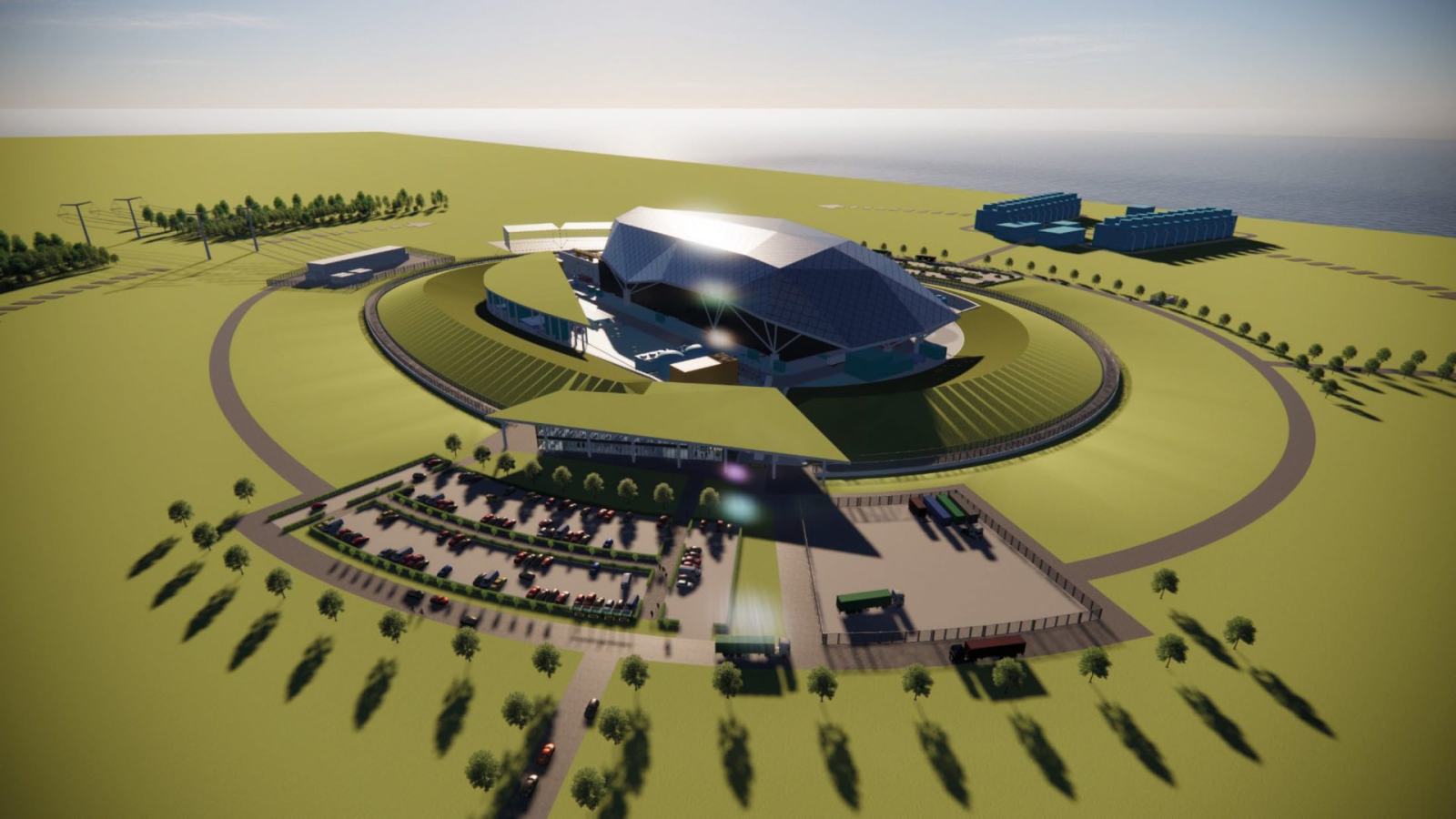
One of the primary advantages of small nuclear reactors is their safety features. Some small modular reactor (SMR) designs incorporate passive cooling systems, simplified designs and smaller radioactive inventories. These features can reduce accident risks and consequences, but safety performance must be demonstrated for the specific design and site; size alone does not establish that one reactor is safer than another.
Smaller nuclear reactors also offer environmental benefits. Their compact size allows for easier integration into a variety of environments, including remote or isolated areas. As a result, they can replace carbon-intensive fossil fuel sources in regions where renewable energy sources may not be sufficient to meet energy demand. This transition to cleaner energy can significantly reduce greenhouse gas emissions and combat climate change.
SMRs can provide additional flexibility and scalability. Deployment speed and the scope to meet specific energy needs depend on design maturity, licensing, infrastructure and supply-chain capacity. For example, they can be used to power remote communities, support industrial processes, or desalinate water in arid regions. Additionally, SMRs can be combined to create larger power plants, allowing capacity to be added as energy demands increase over time, subject to the site and programme requirements.
Building large nuclear power plants requires a substantial upfront investment, making them financially challenging for many governments and private entities. A smaller reactor unit may require less total capital than a large unit, making it a more accessible option for some stakeholders; cost per unit of electricity still depends on fleet scale, financing and delivery performance. Their modular design can lead to cost savings through standardised manufacturing and easier transportation, further reducing the financial barrier to entry.
One of the primary concerns associated with nuclear energy is the management of radioactive waste. Small nuclear reactors need design-specific plans for spent fuel, radioactive waste and decommissioning. Waste per unit of energy depends on design and fuel cycle. Centralised waste management may offer opportunities, but modular construction does not remove the need for suitable storage and an approved disposal route.
Small nuclear reactors contribute to energy security by diversifying the energy mix. They provide a stable source of power that does not depend directly on wind or sunlight. Resilience still depends on fuel availability, plant reliability, cooling and supporting infrastructure. This resilience makes small nuclear reactors an attractive option for regions that are susceptible to energy instability.
The development of small nuclear reactors has driven advancements in nuclear technology. Research and innovation in SMRs have resulted in improved safety protocols, more efficient designs, and a better understanding of nuclear physics. These technological developments have the potential to benefit other areas of nuclear science and engineering, making nuclear energy safer and more efficient as a whole.
While it’s essential to acknowledge the potential benefits of small nuclear reactors, it’s also crucial to address their challenges, such as regulatory hurdles, public perception, and concerns related to nuclear proliferation. By considering these issues and working collaboratively to develop responsible regulations and best practices, small nuclear reactors could play a vital role in the transition to a more sustainable and reliable energy future.